Mice
and rats
Mice and rats come in for food, warmth and shelter, through gaps much smaller than you would think. Block the way in and take away the food.
- Signs
- Droppings, gnawing, scratching
- Active
- At night, more in autumn and winter
- Gets in
- Through small gaps and pipes
- Our approach
- Exclusion and live catch, no poisons
Know what you are dealing with
Droppings
Mouse droppings are small like rice; rat droppings are much larger.
Gnaw marks
Fresh marks on food packets, wood and cables.
Sounds at night
Scratching in walls, ceilings and under floors.
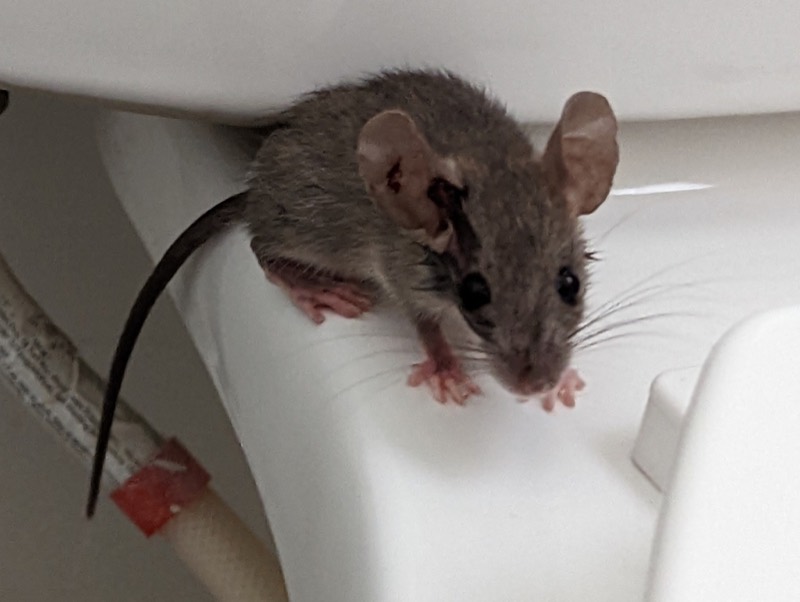
No poisons, no glue traps. They cause suffering and can harm pets and wildlife. Shoo does not sell them.
Signs to look for
- Droppings in cupboards, along walls and under the sink.
- Greasy marks along skirting boards where they run.
- Shredded paper or fabric used for nests.
- Scratching in walls or the loft at night.
The plan
- 1
Close the gaps
Steel wool and sealant around pipes, vents and doors.
- 2
Store food sealed
Hard containers, bins with lids, no pet food left out.
- 3
Live catch traps
Along walls, checked daily; release as local law allows.
- 4
Call a pro for rats
Rats in numbers need professional help.
Solutions for mice and rats
Live catch traps
Catches mice without harming them. Check daily.
Opens Google Maps. Call first to check they have it.
Gap and crack sealant
Closes gaps around pipes, vents and doors, with steel wool packed in first.
Opens Google Maps. Call first to check they have it.
Door sweep
Closes the gap under outside doors that mice squeeze through.
Opens Google Maps. Call first to check they have it.
Shoo does not sell these yet. They are standard products sold by other shops; follow the label on the one you buy.
What people worry about
Why do the mice keep coming back?
Usually because the way in is still open. Sealing gaps with steel wool and sealant matters more than anything you put down.
Is poison safe if the cats can't reach it?
Pets can still eat a poisoned rodent, and rodents can die inside walls. Shoo does not recommend poison: seal, store food and use live catch traps.
Glue traps are the only thing that works. Is that OK?
Glue traps cause slow, distressing deaths and some places restrict them. Live catch traps checked daily, with release as local law allows, are the humane option.
Do plug-in ultrasonic repellers work?
They are not a fix to rely on, and people often report mice ignoring them. Exclusion and food storage work better.
We had rat proofing and still hear them. Is that normal?
It can mean an animal was sealed in or another gap is open. Ask the company for a follow-up check and how they make sure animals are out before sealing.
Can they get into the car?
Yes, cars give shelter, especially with food inside. Keep the car empty of food and ask a garage to check wiring if you see signs.